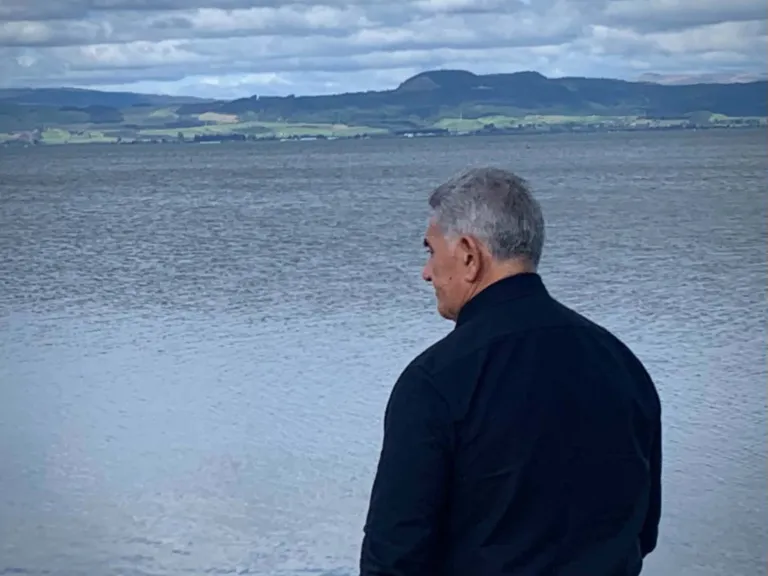
Te Arawa Lakes Trust (TALT) has announced a significant operational reset, citing a two-decade failure of the settlement system to adequately resource the iwi as kaitiaki of their ancestral lakebeds.
The decision, effective immediately, will see the Trust wind down or rehome several operational lake programmes, significantly reduce its workforce, and transition to a “minimal” operating model. The move comes as TALT forecasts its operating funds will be exhausted by early September 2026, forcing a drastic reduction in annual operating costs from $3.8 million to $1.38 million.
Chairman Wallace Haumaha emphasised that the reset is the result of a structural problem embedded in the 2006 Te Arawa Lakes Settlement, rather than financial mismanagement.
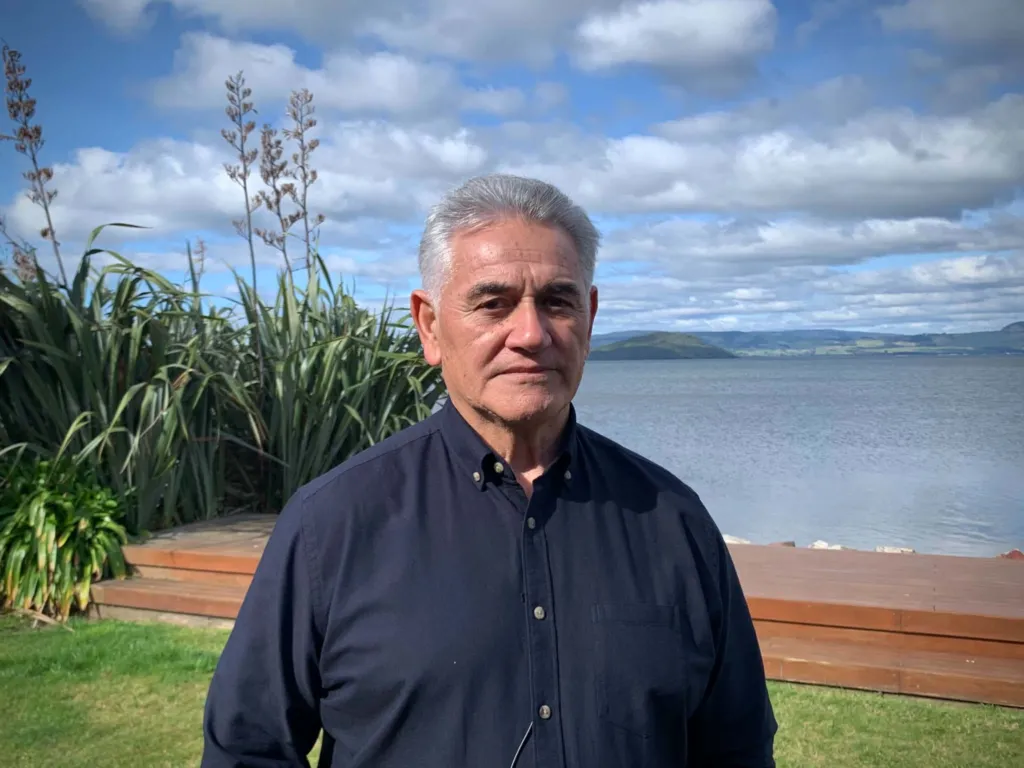
“This is not a story of financial mismanagement, nor is it about blaming the people sitting around the table today,” Mr. Haumaha said. “It is about fixing a system that has not adequately resourced Te Arawa to carry the responsibilities placed upon us.”
A promise unfulfilled
The 2006 settlement returned 13 of the 14 ancestral lakebeds to Te Arawa, but Mr Haumaha noted that the legislation failed to provide an enduring income stream to support the resulting statutory and cultural obligations.
Since 2007, a $144 million restoration programme has been in place, but TALT was largely relegated to a “cultural adviser” role with little control over the allocation of funds, which were predominantly directed toward council-led priorities.
“We own the beds of these lakes. They are our ancestral taonga. Yet the system effectively positioned Te Arawa as the cultural voice in the room while control over significant resources and operational priorities largely sat elsewhere,” Mr. Haumaha said.
E tū tonu ana te Mana, e whawhai tonu ana mō te Ora o ngā Roto
Ahakoa te whakatau ka panoni ngā whakahaere me te poro i ngā tūranga 15, e ai ki te Tumu Whakarae o Te Arawa Lakes Trust, a Tame Malcolm, ka upoko pakaru tonu tana kapa ki te tiaki i ngā roto moana.
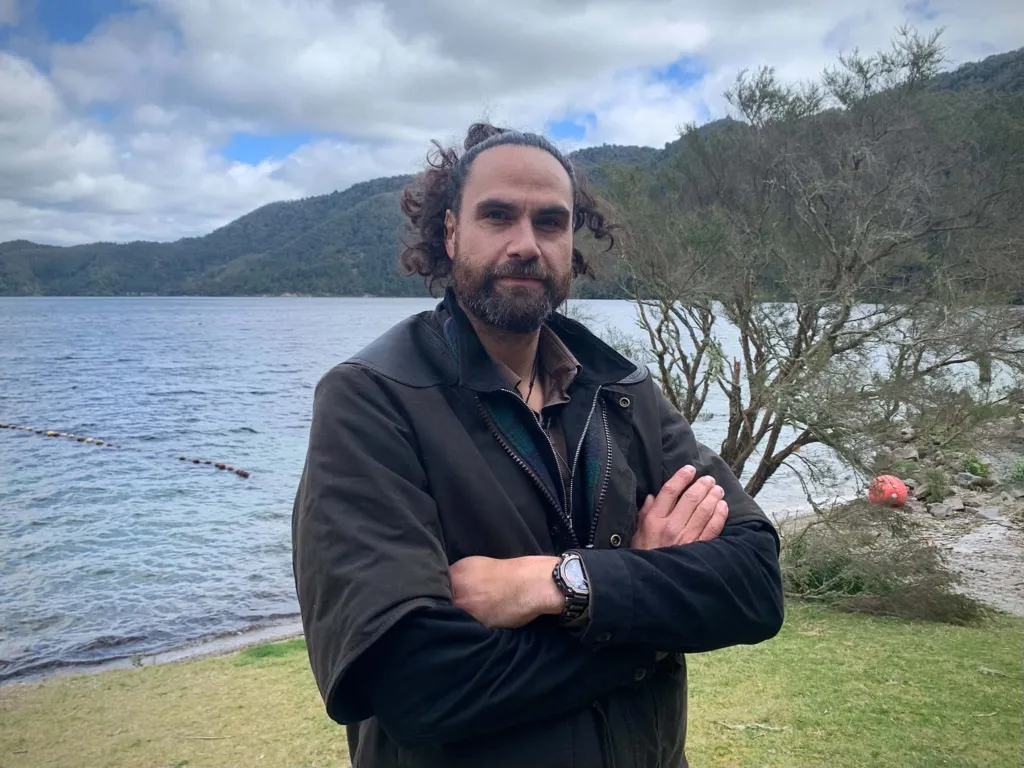
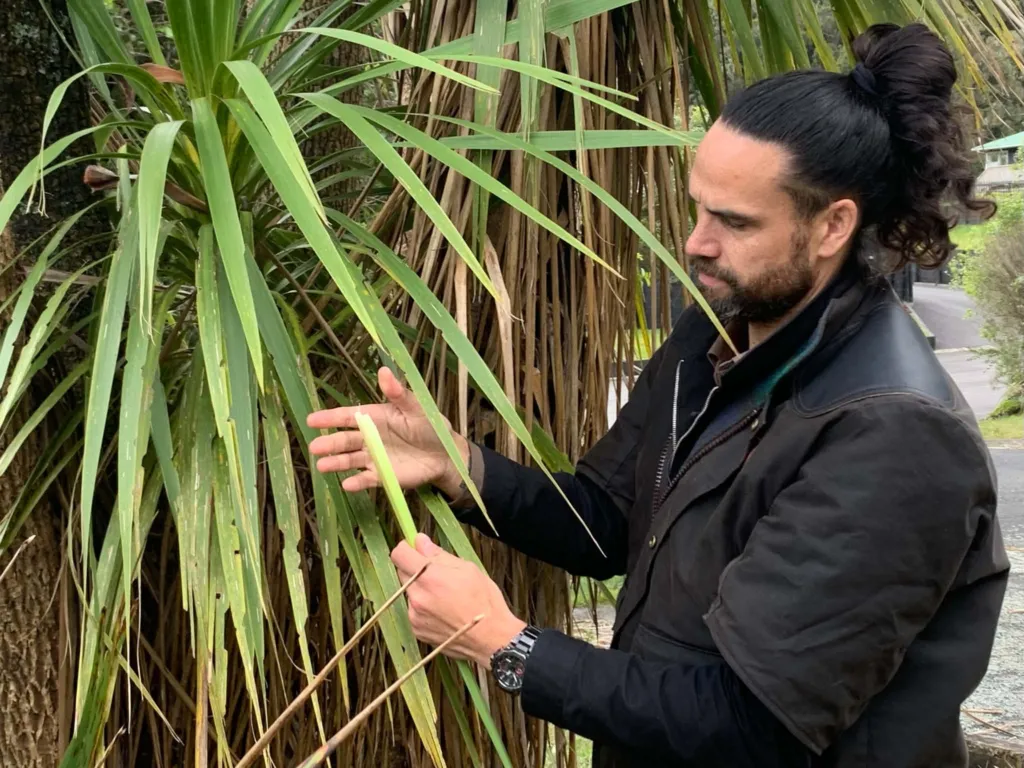
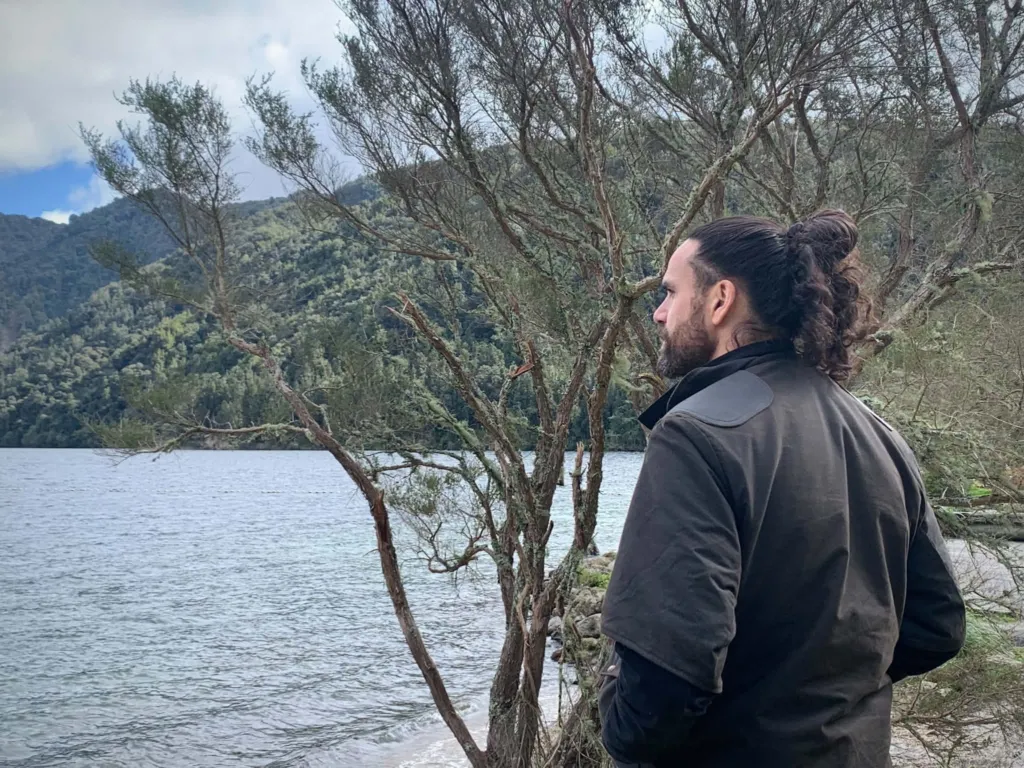
“Anei au e tangi ana, ki ērā poronga, i runga i te mohio, ērā tangata, ērā kaimahi e ngākau nui ana ki te taiāo, ki ō mātou roto, moana kā tahi, ka rua, e mohio ana ahau ki ō rātou whānau, e mōhio ana ahau ki ō rātou tamariki e haere ana ki ngā kōhanga reo, ngā puna reo, ki ngā kura me ō rātou mōkete hei tāwharau i ngā whare, nōreira e tino haehae ana te manawa i tēnei whakatau,” hei tā Tame.
“Ētahi o ngā mahi, ka āhua ngoikore hāere pea, pēnei i te patu i ngā catfish, engari ka mau tonu ki ērā mahi, otirā, ko te whāinga kia patu tonu engari ka kore pea e eke tonu ki tērā taumata. Ētahi anō mahi ka kore tātou e mahi tonu, pēnei i te whakakanohi i ngā hunga tiaki ki ngā roto moana, arā ki ngā – boat ramp compliance officers,” hei tā Tame anō.
“Ētahi anō, taihoa me kite, engari au e whaiwhakaaro ana ki tērā kaupapa matua, tērā kaupapa nunui ko te Tūkohu Ngāwhā i tū i tērā atu wiki. I tēnei wā tonu ko te whāinga matua, kia haere tonu tērā kaupapa a tērā tau, engari taihoa kia kite mēnā ka tahuri mai ngā kaunihera otirā te kāwanatanga ki te awhiawhi tonu, k te tauawhi tonu i tērā kaupapa”.
The ‘Hardest Part’ of the Reset
The operational downscale means TALT will step back from frontline mahi, including catfish response, lakeweed removal, and wetland restoration. The Trust is now looking to rehome these programmes with other iwi, hapū, or organisation to ensure the environmental protection of the lakes continues.
“This is the hardest part. We are farewelling good people who have dedicated themselves to these lakes,” Mr. Haumaha acknowledged. “We are stepping back from mahi our people have seen TALT doing in and around our wai for many years.”
Despite the workforce reduction and asset rationalization, the Trust confirmed that settlement assets – including lakebed titles, taonga, and archives—are expressly protected and are not for sale.
Next Steps for Te Arawa
The Trust will now pursue a wider review of the Crown Funding Deed, seeking an enduring funding arrangement that recognises Te Arawa as more than just a consultant.
“We cannot have a model where Te Arawa owns the beds of our ancestral lakes and carries enduring responsibilities for them, but must continually consume its own resources simply to exercise those responsibilities,” Mr Haumaha said. “Reset is not defeat. We are protecting what our tūpuna fought to have returned.”
At a Glance: The TALT Reset
• Financial Impact: Operating budget cut from $3.8M to $1.38M.
• Workforce: Significant redundancies as programmes are wound down or rehomed.
• Core Focus: Protecting settlement assets and meeting minimum statutory responsibilities.
• Status of Assets: Lakebed titles and taonga remain held in trust and are not for sale.
Ngāti Tarāwhai assert readiness: It’s time the Okataina lakebed returned to Ngāti Tarāwhai
Ngāti Tarāwhai Iwi Trust chair Cyrus Hingston told Aukaha News that the iwi trust is fully prepared and capable of managing Lake Ōkataina, emphasising that they are “capable and ready” to care for their ancestral estates including Lake Okataina as they’ve already demonstrated. Hingston highlighted that generations of Ngāti Tarāwhai leaders have long called for the return of the lake’s title to the iwi.