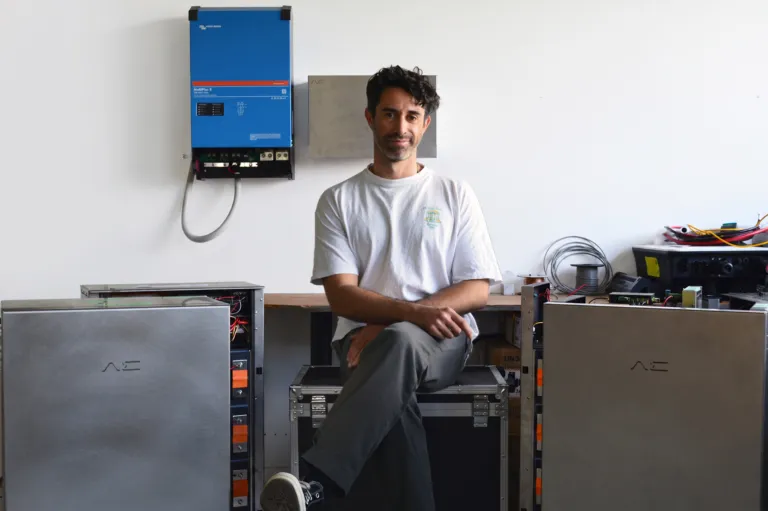
A Kiwi company called Aotea Energy has officially launched in Auckland and Christchurch, offering a new way for households to cut down their power bills.
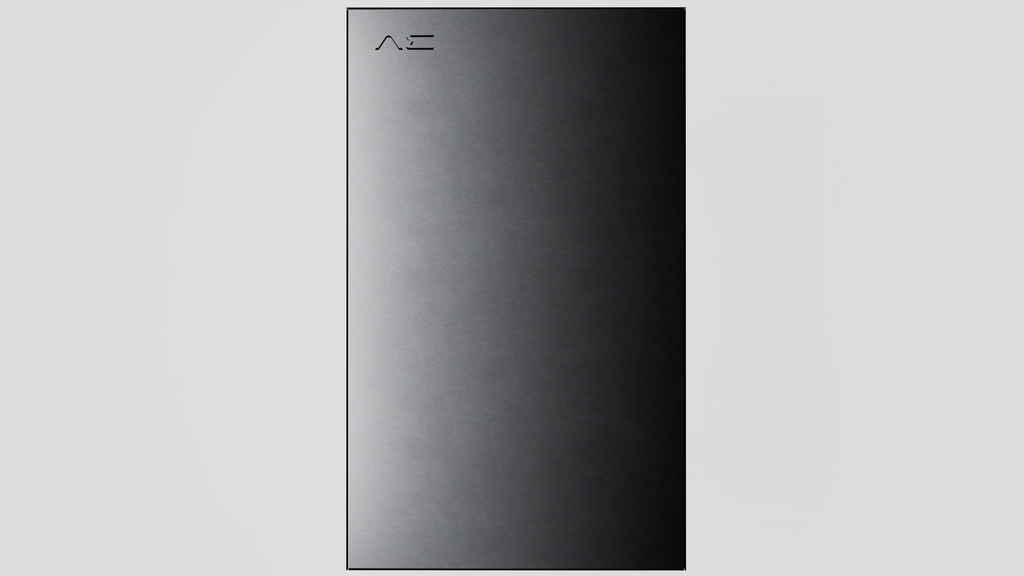
Backed by high-profile local investors Sir Stephen Tindall and Vaughan Fergusson, the company has created a home power unit called the AE-1. Instead of buying electricity the usual way through a traditional power provider, the system connects households directly to the main electricity market for a flat $20 monthly fee.
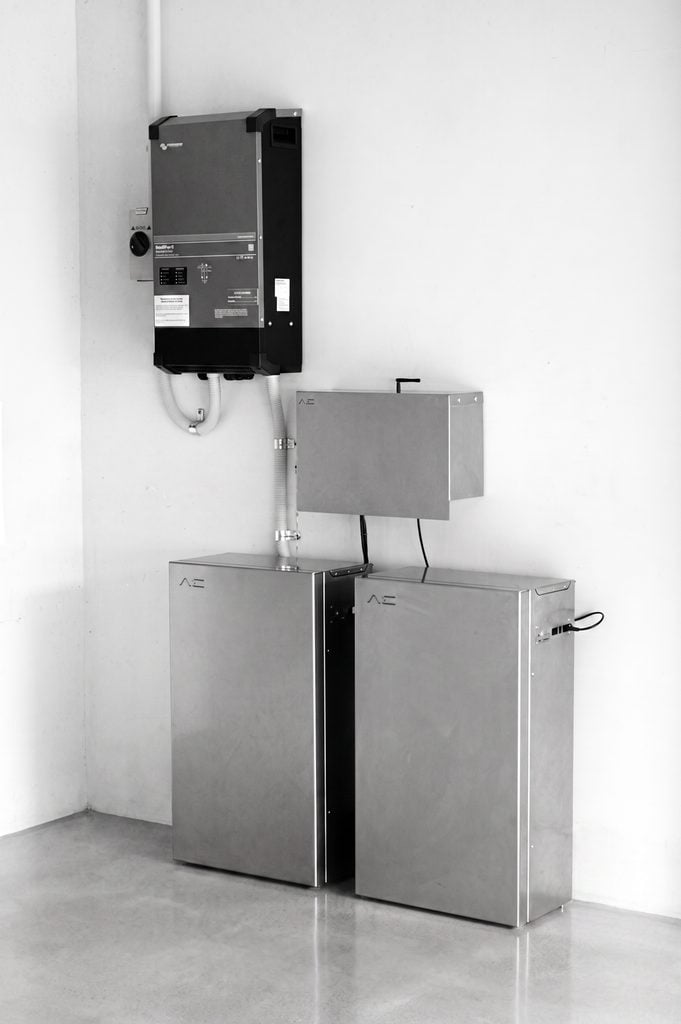
The box gets installed at your house and works alongside a smartphone app. It automatically fills up with electricity when power prices drop—often overnight—and powers your home during the most expensive times of day. If you have solar panels or run heavy appliances like electric cars and heat pumps, the system can also sell any extra stored power back to the grid when prices are high.
Aotea Energy says early tests show the system can cut electricity bills by more than 65 per cent, saving average households around $2,700 a year. The equipment and setup cost starts around $12,000, which the company estimates pays for itself in four to six years.
Tama Toki, Founder and CEO of Aotea Energy, says: “The real upward pressure on power bills is distribution and transmission costs. There are markets that reward smart load shifting; the wholesale electricity market and avoidance of network tariffs. What we have built is a system that enables Kiwis to fill up a home battery at the right time, avoid these congested periods and get rewarded with cheap electricity.”
“At Aotea Energy, our goal is to eliminate energy insecurity and bring true independence to every home across the country. The AE-1 is more than just a smart battery, it puts control back into the hands of Kiwis. By giving households direct access to wholesale spot prices, we are turning passive consumers into active market participants who can take control of their electricity costs and use the grid on their own terms.”
How It Works
The system relies on three parts:
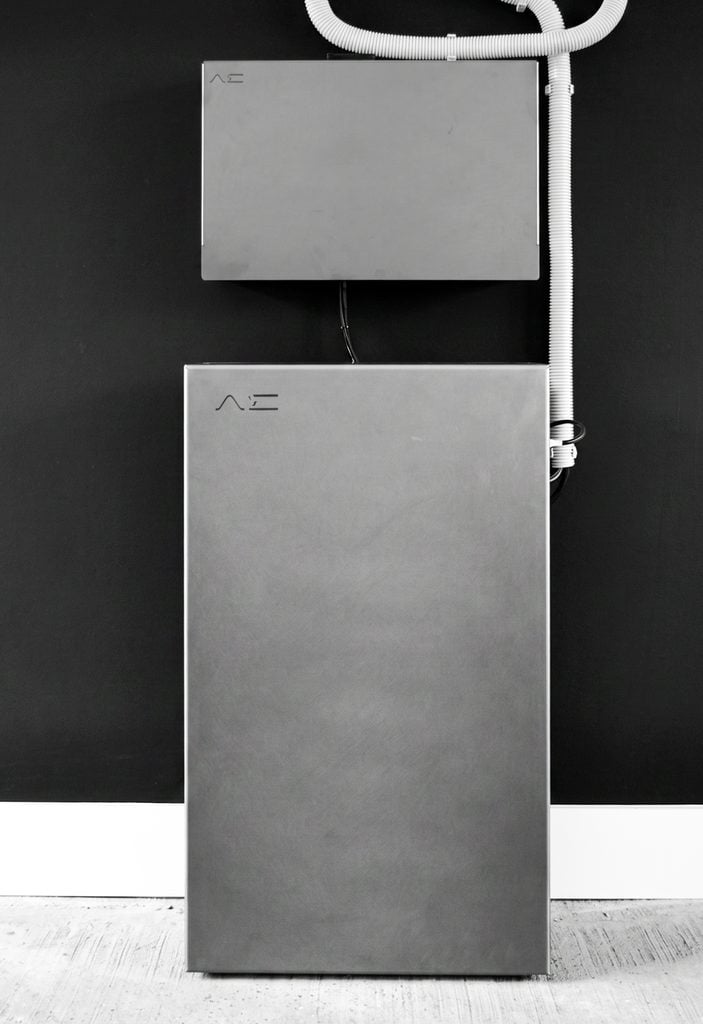
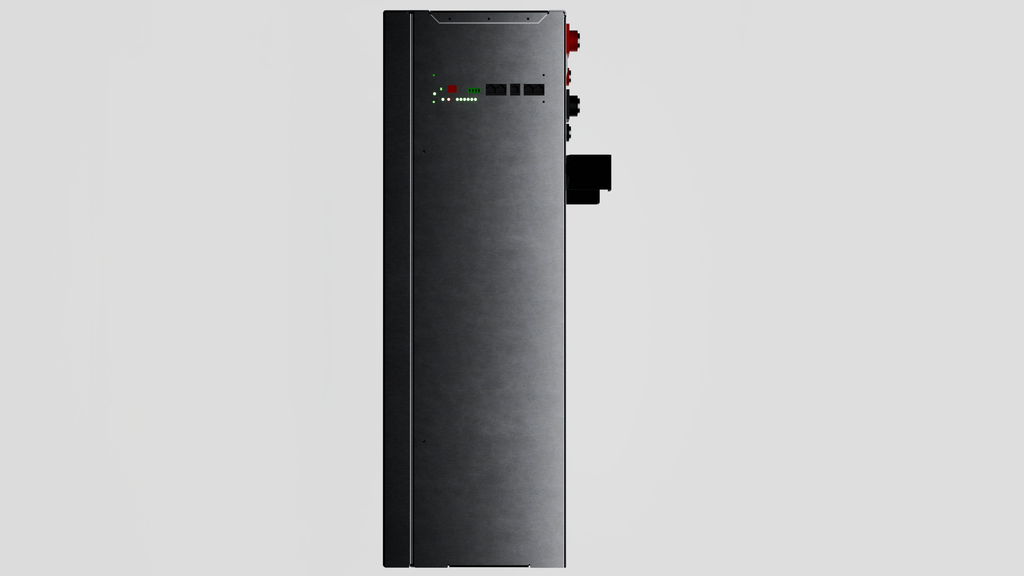
- The Power Storage Box: A unit mounted at your house that holds enough energy to run a typical home’s heavy appliances. It automatically charges when power is cheap and runs your house when prices rise.
- The Smart App: An app that tracks real-time market prices every 30 minutes, deciding when to buy, store, or sell power without you needing to do anything.
- The Subscription Plan: Instead of paying a power company that marks up prices, you pay a fixed $20 monthly fee and get raw electricity prices passed through at cost.
Costs and Options
The storage unit comes in three sizes depending on how much power your home uses or whether you have solar panels installed:
| Model | Price (RRP) | Best Suited For |
| Standard | $10,500 | Standard homes running heat pumps and hot water (no solar required) |
| Mid-Range | $11,500 | Homes with solar panels or heavy loads like EV chargers and induction cooktops |
| Large | $12,500 | Large homes with bigger solar setups and high daily power usage |
All options require a standard $1,500 installation fee carried out by a certified electrician, plus the $20 monthly app fee.
Where the Idea Came From
The idea was started by CEO Tama Toki, who grew up off the power grid on Aotea (Great Barrier Island), where locals had to find practical ways to share and manage their own power supply.
To help roll the system out nationwide, Aotea Energy hired Antoine Riboulon as Chief Operating Officer. Riboulon previously managed global energy trading operations at Tesla.
Antoine Riboulon, COO of Aotea Energy, says: “Having spent nearly a decade building global energy storage systems, I joined Aotea Energy because it offers the single biggest opportunity to transform New Zealand’s power grid. As a thriving hub for innovation and industrial growth, Christchurch provides the ideal foundation to scale our operations and expand our network across New Zealand.”
The company hopes that spreading these units across local homes will help reduce heavy strain on the national grid during busy hours, which could help lower overall infrastructure costs across New Zealand over time.