Curiosity, culture, and kaitiakitanga were central to the fifth annual Te Tūkohu Ngāwhā Science & Design Fair, where student projects ranged from a home-built earthquake simulator to a short film examining human impacts on te taiao.
A record 26 schools from across the motu submitted entries across seven categories: Art, Biosecurity, Biodiversity & Conservation, Water, Mātauranga Māori, Sustainability, and Climate Change.
Following two days of public viewing and evaluation, 36 awards were presented on 27 August to projects demonstrating an integration of mātauranga Māori and Western science.
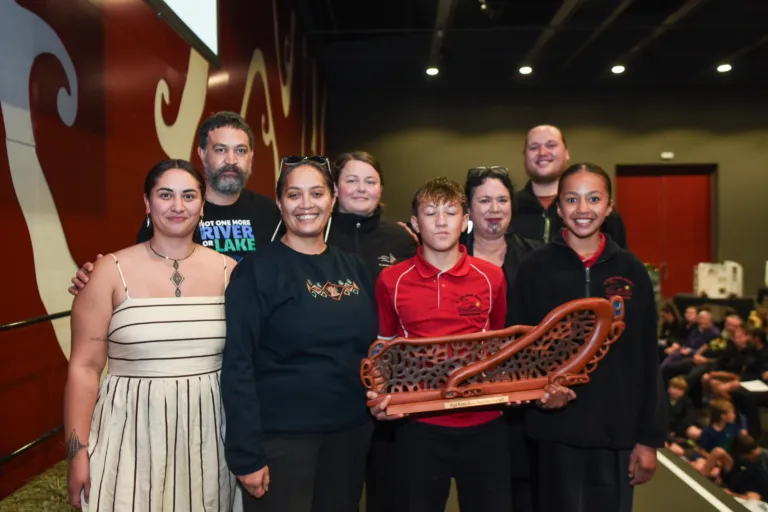
Top honours in the Mātauranga Māori category were awarded to a student cohort from Te Kura Mana Māori o Whangaparāoa. Their project, titled Moki, was created by Hirangi McRoberts, Tikitemarino Mato, Chayton Mankelow, and Hopaea Jackson. It examined traditional Māori knowledge, historical narratives, the species’ life cycle, and sustainable fishing practices.
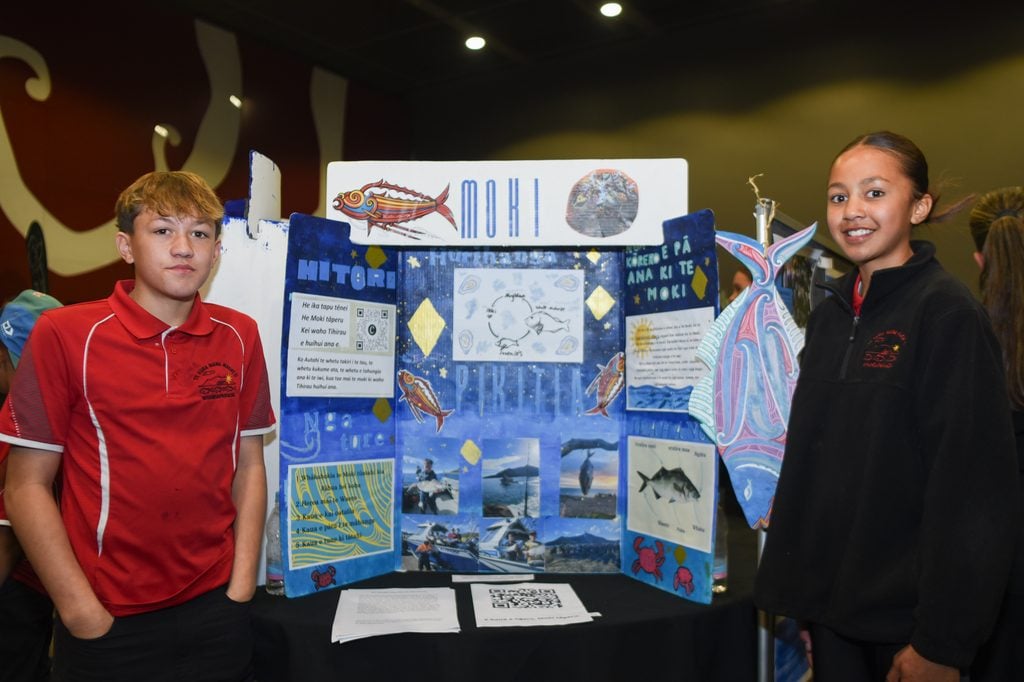
The judging panel noted that the “spirit of guardianship is clearly flourishing at the kura”, adding:
“The students have engaged with various initiatives within their local community and have gained an understanding of traditional knowledge.
“Their deep passion for the environment — and for the work of protecting it — is plain to see.”
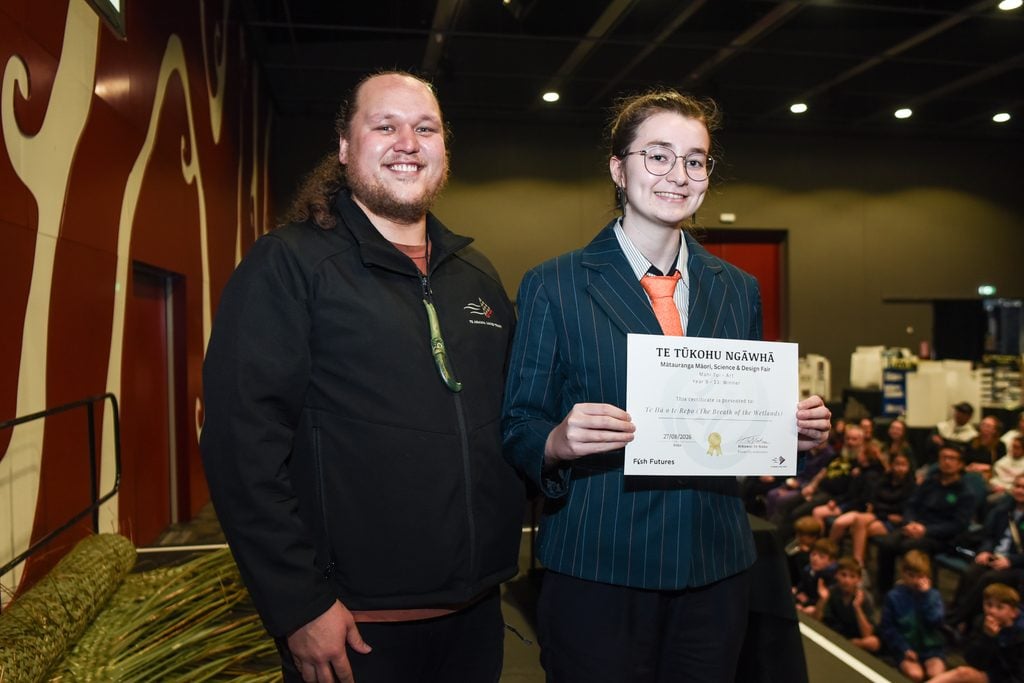
Competition was also notable in the Art category, which featured submissions from Year 1 to Year 13 students exploring environmental themes. Layla Clarke of Pāpāmoa College won first place for her short film, Te Hā o te repo (The breath of the wetlands).
Judges described the film as thoughtful and technically well-executed, noting:
“The human representation being overlaid with ripples in the wai is a great representation of the effects people have on te taiao.”
In addition to the record number of competitive entries, organisers estimated that approximately 1,000 students attended the venue over the two-day event to view the displays.
Te Arawa Lakes Trust Environment Manager, William Anaru, commented on the growth of the event over its five-year history:
“Watching rangatahi thrive in the sciences and share their work with such enthusiasm is a reminder of why we set up this fair.
“There is absolutely a place for mātauranga Māori and Western science to work together to find solutions to our most pressing environmental challenges.
“With guidance, our rangatahi are already leading the way, and you can see that when they proudly guide visitors through their projects, answering questions and exchanging ideas with peers and professionals from across the country.
“The depth of thought and care that students bring to the fair leaves no doubt that the future of te taiao is in good hands.”
Watch our two stories covering Tūkohu Ngāwhā below.