Labour says it can fund its election promises and return the Government’s books to surplus in 2028/29, using existing spending allowances, additional tax revenue and savings.
The party’s fiscal plan outlines about $25 billion in commitments over the forecast period, predominantly in health, while leaving almost $10.5 billion of future operating allowances unallocated.
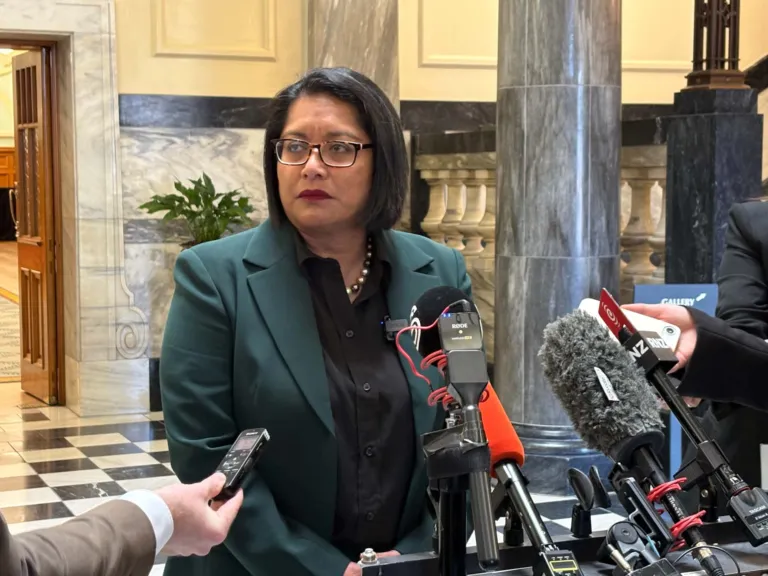
“Every election commitment Labour has made is fully costed and fully funded,” finance and economy spokesperson Barbara Edmonds said.
Labour would retain the $2.4 billion operating allowance set in Budget 2026. Edmonds said its capital commitments would fit within $12 billion of future capital allowances.
The party expects almost $11 billion from a proposed capital gains tax and reversing Investment Boost and what it describes as tax breaks for tobacco companies.
Its proposed tax would cover residential investment and commercial property, with revenue earmarked for healthcare. Labour says nine out of ten New Zealanders would not pay it.
Leader Chris Hipkins accused National of failing to deliver economic growth and improve the Government’s finances.
“Household budgets are stretched, small businesses are under pressure and the public services people rely on are struggling,” he said.
However, Treasury’s latest pre-election update forecasts a $4 billion operating surplus, excluding ACC, in 2028/29. That differs from Labour’s accompanying claim that its projected $2 billion surplus matches the update, although the measures require careful comparison.
Labour says its forecasts follow Treasury’s economic assumptions and its numbers were independently checked by Australian accountancy firm Hall Chadwick.
The party projects net debt falling by almost $10 billion to $96 billion over the forecast period.
It also promises to reverse most planned public service cuts and protect frontline services, while acknowledging some cuts cannot immediately be undone.
Delivering those commitments would depend on forecast revenue materialising and spending remaining within the proposed limits over the forecast period.