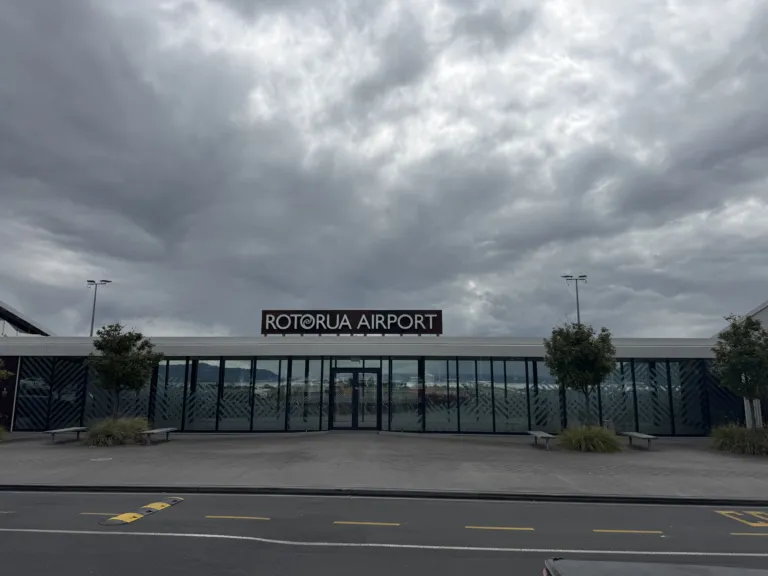
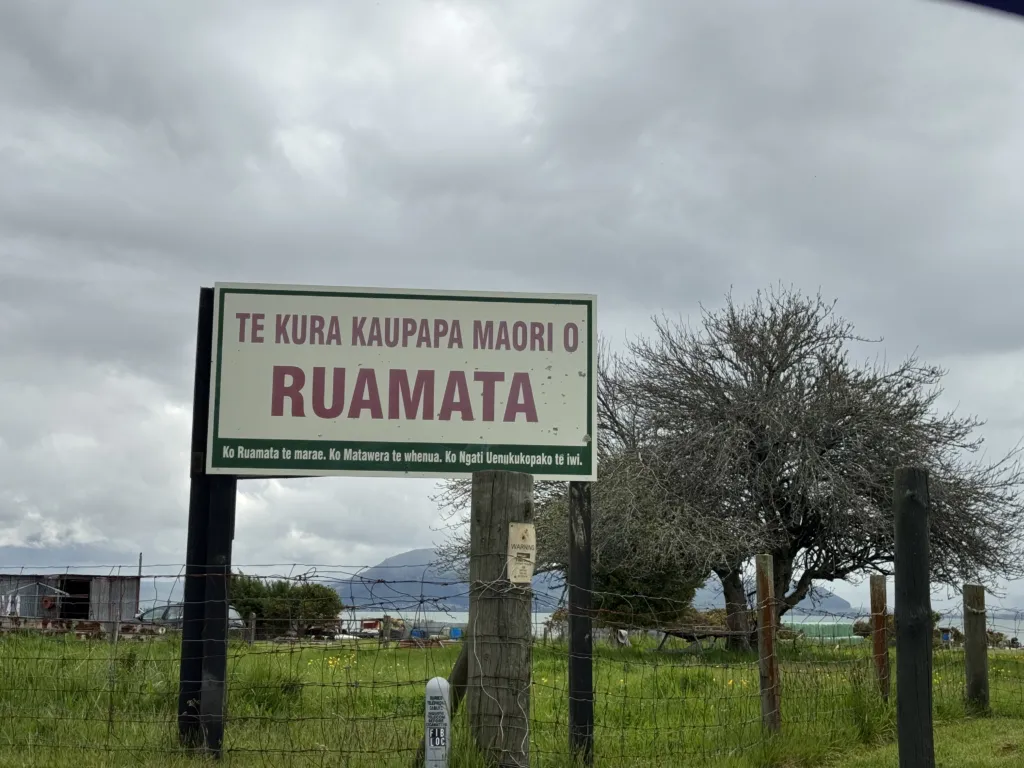
Te Kura Kaupapa Māori o Ruamata is challenging Rotorua Airport’s opposition to development plans for its kura, questioning why an established Māori education community is facing barriers after four decades of operating alongside the aerodrome.
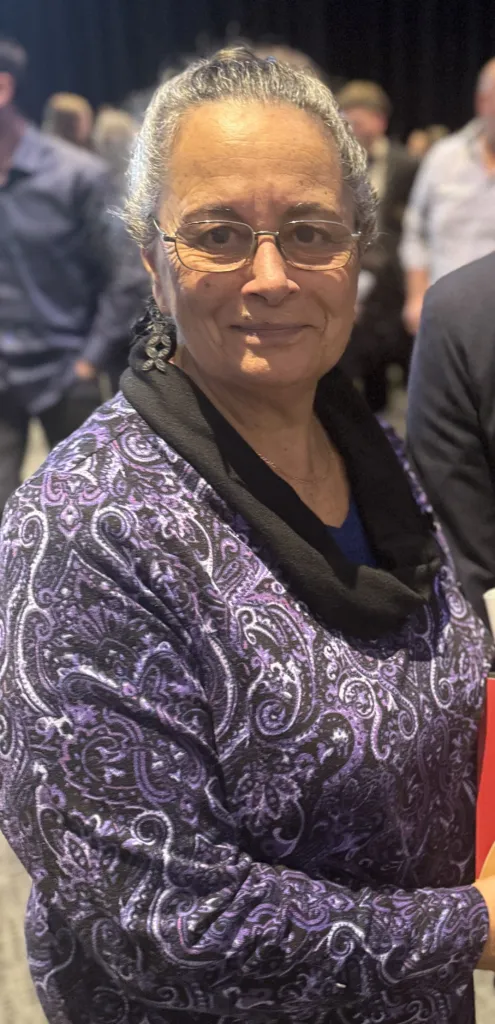
Tumuaki Dr Cathy Dewes said that the airport’s stance is difficult to reconcile with the kura’s longstanding presence, previous aviation safety determinations, and existing noise insulation measures.
In a submission dated 17 August, Rotorua Airport claimed that in “other global jurisdictions” the kura would not be “granted consent to operate at all, in its current location.” Dr Dewes described the statement as particularly troubling, noting it appears to challenge not only the proposed facilities but the kura’s right to exist at the site.
“Our kura has operated here for approximately 40 years. We have educated generations of tamariki, complied with requirements placed upon us and worked to ensure our learning environment is safe and appropriate,” said Dr Dewes. “To suggest that our kura should not be operating here at all is deeply concerning, particularly when we are simply seeking to provide the facilities our tamariki deserve.”
A proven safety record
Dr Dewes highlighted previous Civil Aviation Authority determinations confirming that the kura does not constitute an aviation hazard, alongside aircraft-noise insulation measures undertaken by the kura and marae under Condition 15 of earlier resource consents. Over roughly four decades beneath the flight path, no aviation incidents or complaints have arisen from the kura’s activities.
While supporting the independent aeronautical assessment being sought as part of the current consent process, Dr Dewes emphasised that the airport’s opposition must be weighed against actual evidence, the kura’s established presence, and the rights of children to receive a quality education.
“We are not asking for special treatment. We are asking for our tamariki to have the same access to safe, modern and appropriate educational facilities as every other child in Rotorua,” she said
A history that cannot be ignored
The current dispute is underscored by the history of the land at Rotokawa, which was long occupied by Ngāti Uenukukōpako before being compulsorily acquired by the Crown and local authorities during the late 1950s and 1960s to develop the aerodrome. The acquisition displaced whānau from Karamuramu and resulted in the loss of culturally significant places, including traditional birthing and healing baths – losses later recognised through the Affiliate Te Arawa Iwi and Hapu Claims Settlement Act 2008.
“Our marae and our people were here long before Rotorua Airport. Our whenua was taken to make way for its construction, our whānau were displaced, and places of enormous cultural and spiritual significance were lost,” Dr Dewes said. “That history matters because we are now facing opposition from an airport built on land our people were forced to give up.”
Calling for council responsibility
Dr Dewes is calling on Rotorua Lakes Council, as the owner of the airport, to take an active role in resolving the dispute by engaging directly with Ruamata and requesting that the airport withdraw its opposition. She stressed that the kura is not opposed to the airport’s operations and values aviation safety, but insists that both organizations must coexist with mutual respect.
“Our people have already paid a significant price for the development of this airport. We should not now be expected to compromise the educational opportunities of our tamariki,” Dr Dewes said. “Our tamariki deserve an education that is grounded in their reo, their tikanga on their own whenua.”
The Ministry of Education and School Property Agency are progressing the current application, supported by independent aeronautical expertise.