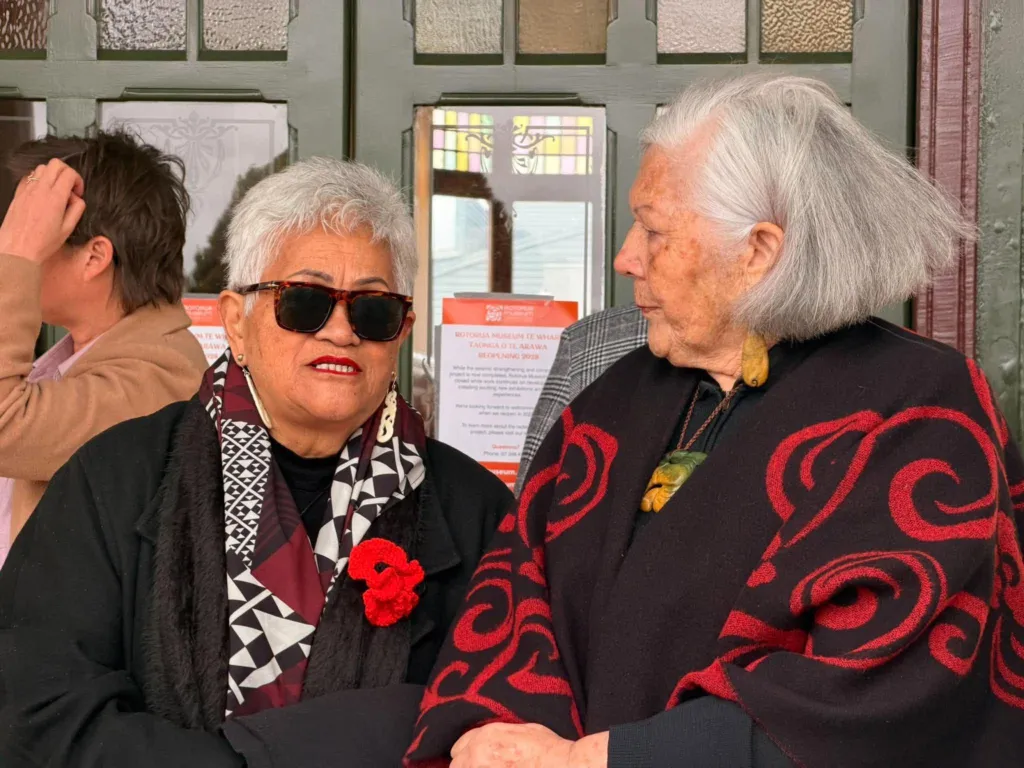
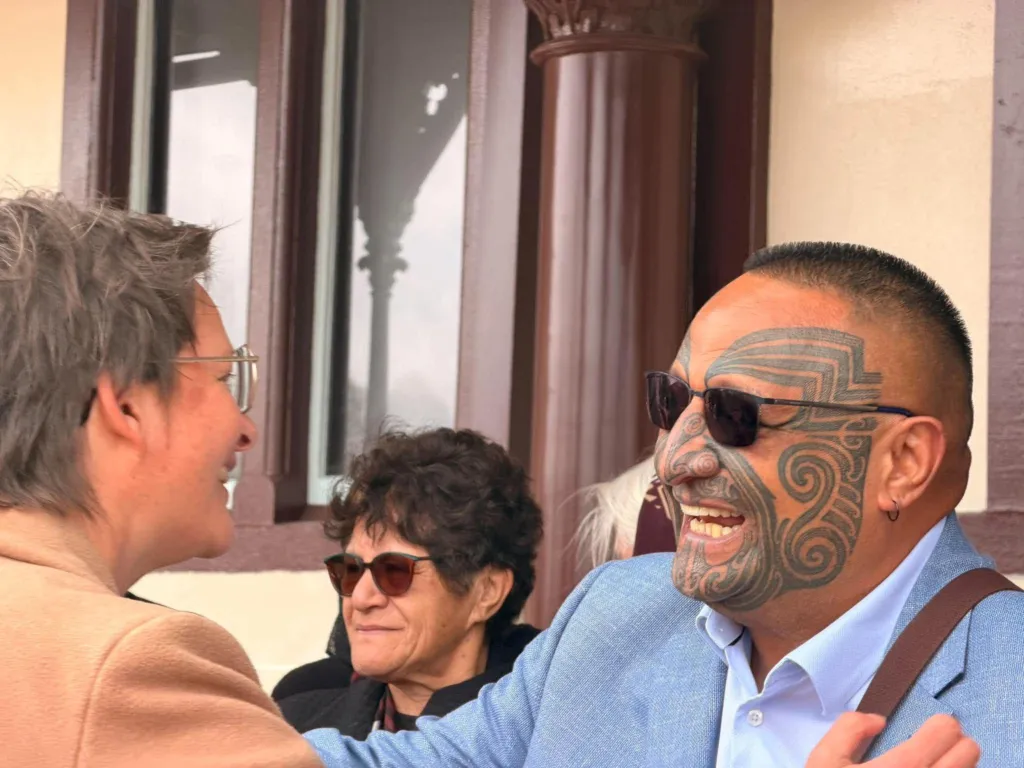
A profound karakia has echoed through the grounds of the historic Rotorua Bath House today, restoring the mauri of the 120-year-old building and formally awakening Te Whare Taonga o Te Arawa after nearly two years of sleep.
Attended by Te Arawa iwi representatives, government ministers, dignitaries, project partners, and community leaders, the blessing marked a monumental transition – moving the iconic building from a restricted construction site back into a living taonga for the community.
Closed since November 2016 following severe earthquake safety concerns, the Category 1 heritage landmark entered its intensive construction phase in June 2024. Today’s ceremony celebrates the complete structural strengthening and heritage restoration of the building, delivered on time and below its expected budget.
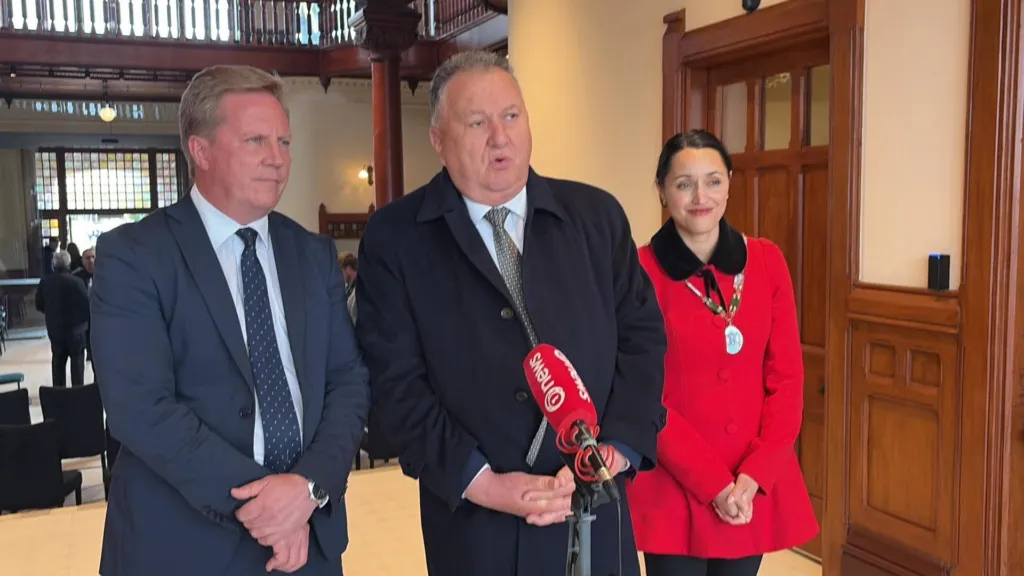
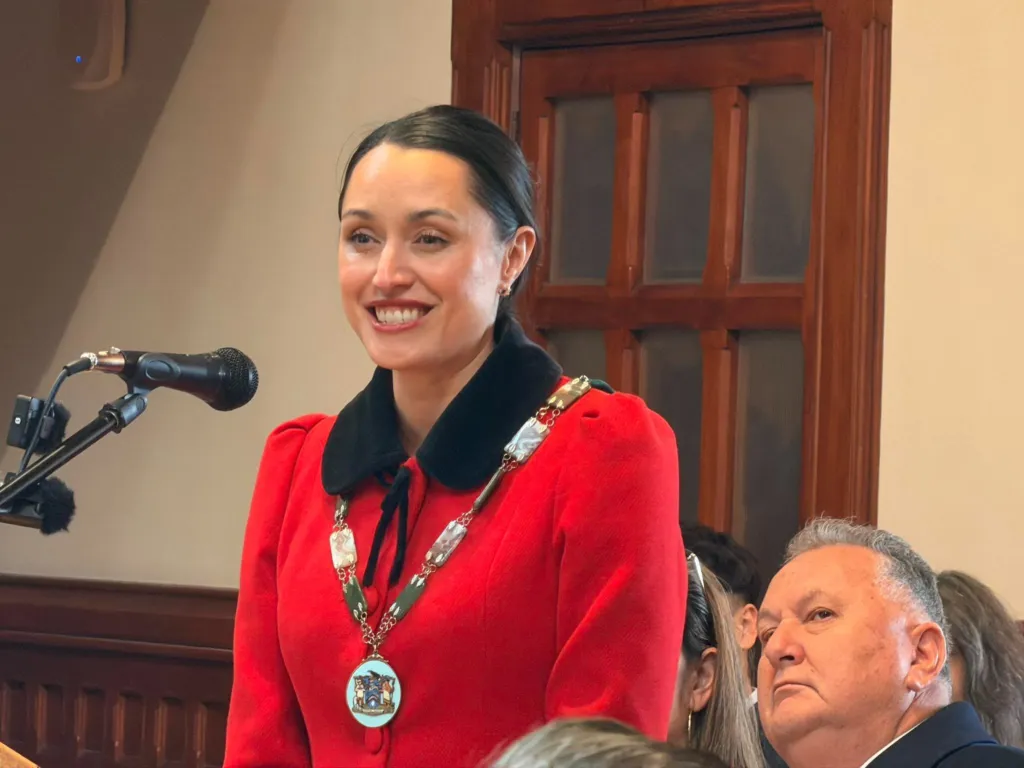
A Major Cultural and Community Milestone Rotorua Mayor Tania Tapsell says today’s karakia brings whānau and community leaders together to honour the deep historical and cultural ties connected to the Bath House.
“Today is a massive milestone in the history of Rotorua as we celebrate fixing the Bath House and recognise the role this treasured landmark will continue to play at the heart of our community,” says Mayor Tapsell.
“This is the most supported and significant project that Council has ever completed, and we’re proud to have delivered it below the expected cost. Through this rebuild, we’ve heard the value it will bring for both our community and country as an iconic historical building.”
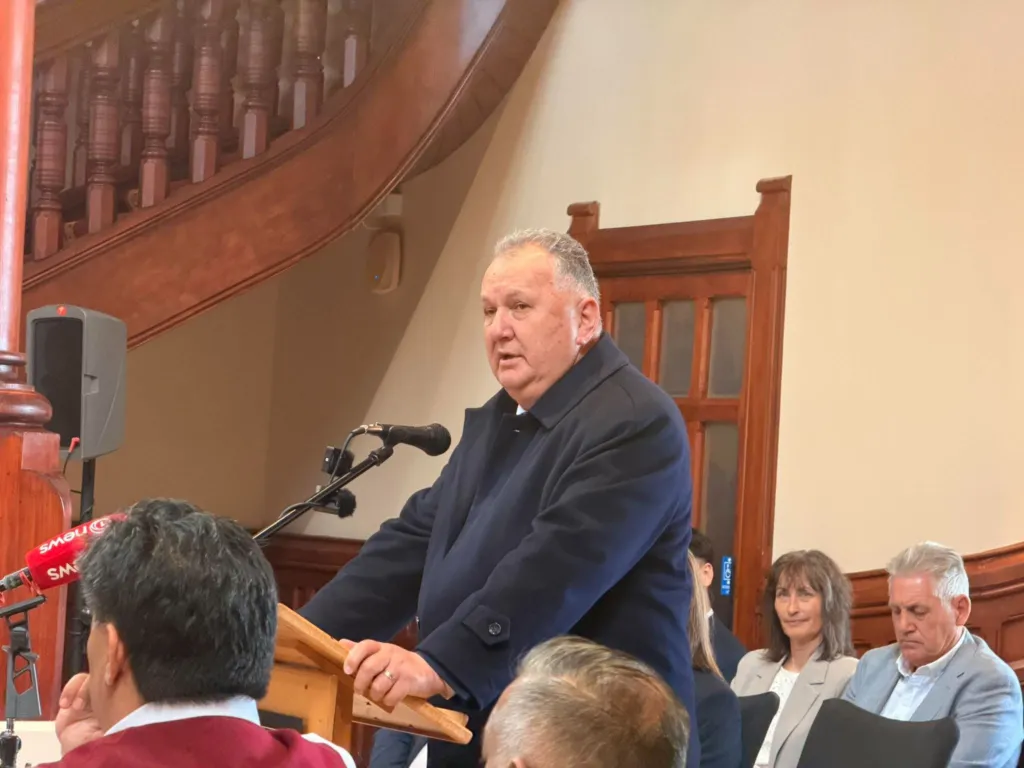
$2 Million Funding Boost Locks in 2028 Reopening Adding to the milestone celebrations, Regional Development Minister Hon Shane Jones announced a $2 million investment from the Government’s Regional Infrastructure Fund. The funding directly supports the next phase: completing the museum’s internal exhibition spaces ahead of its planned public reopening in 2028.
Mayor Tapsell expressed gratitude to Minister Jones and local Minister Todd McClay for securing the additional funding, noting that the contribution significantly eases the financial burden on local ratepayers.
“The Crown has dedicated about $31 million and I want to formally announce today in addition to an earlier contribution from PGF. It’s my pleasure and privilege to announce to you, your worship and all those gathered here from Rotorua, the additional pūtea of $2 million dollars to cover the costs associated with reinstating the collection and finishing off the final elements of infrastructure,” says Minister Jones.
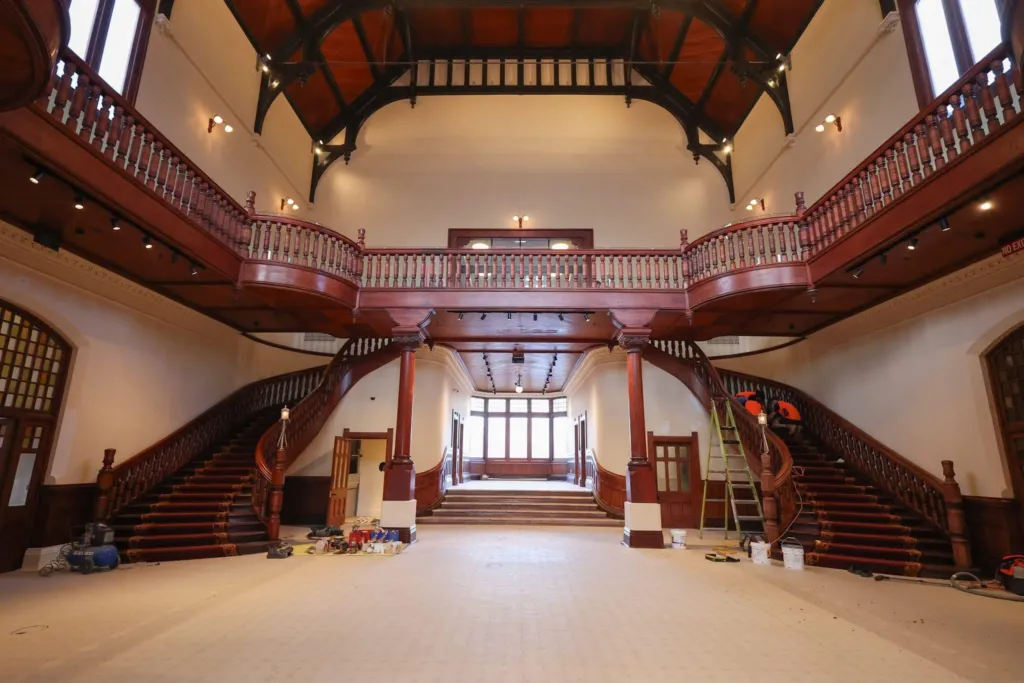
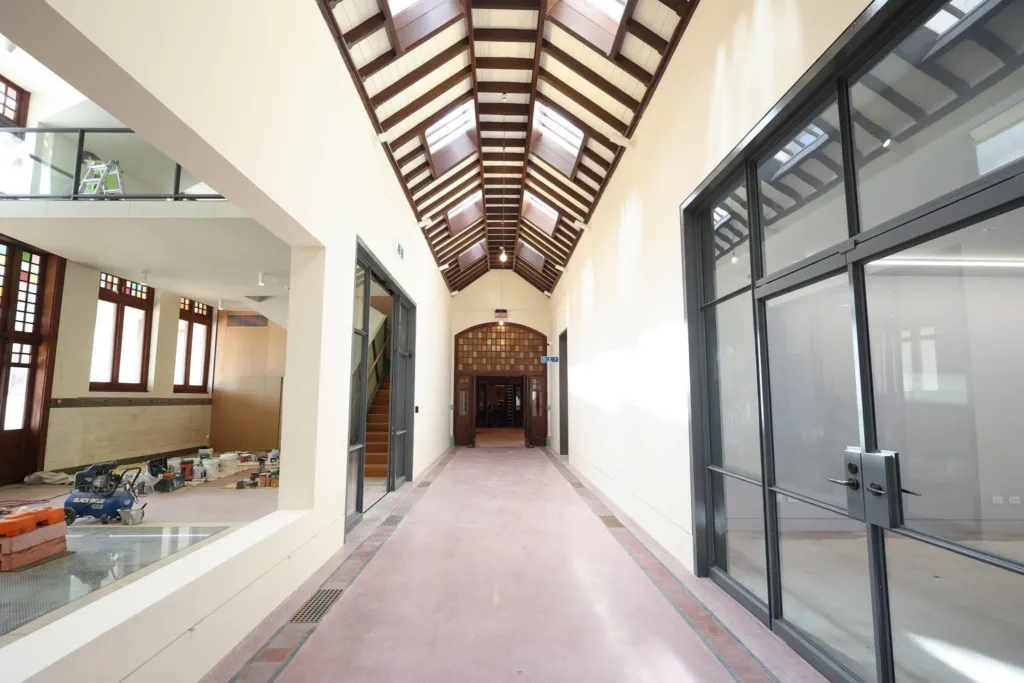
Heritage Craftsmanship in an Active Geothermal Environment
Completing one of New Zealand’s most complex heritage restoration projects required an extraordinary feat of engineering, craftsmanship, and careful planning within Rotorua’s unique geothermal environment.
Rotorua Lakes Council Chief Executive Andrew Moraes highlighted the scale and dedication behind the 110-week project, which involved over 300 skilled workers and thousands of hours on site:
- 56,000 roof tiles painstakingly installed to preserve the original heritage facade.
- 1,000 cubic metres of material excavated from the basement entirely by hand.
- Zero harm commitment: Ensuring every contractor and craftsman returned home safely to their whānau each day.
“Successfully restoring and strengthening a 120-year-old building within an active geothermal environment was an extraordinary undertaking,” says Moraes. “Thank you to Watts & Hughes Construction, our wider project team, and our generous funders for their dedication in seeing this complex restoration through to completion.”
Looking ahead to Te Whare Taonga o Te Arawa opening in 2028
When Rotorua Museum welcomes visitors back through its doors in 2028, the inner galleries will display exhibitions shaped through extensive wānanga and engagement with local communities, hapū, and Te Arawa iwi.
The curated experiences will celebrate the distinct stories, people, and whenua that define Rotorua, ensuring Te Whare Taonga o Te Arawa stands once more as a beacon of pride and heritage for generations to come.