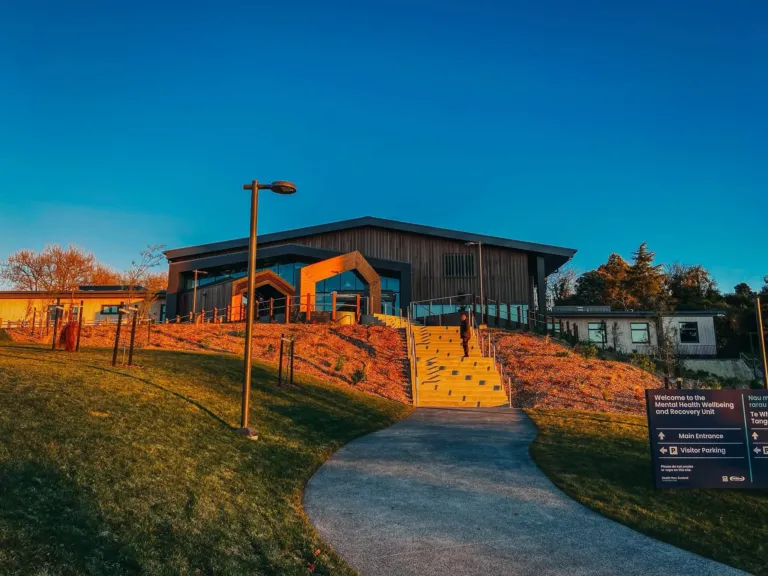
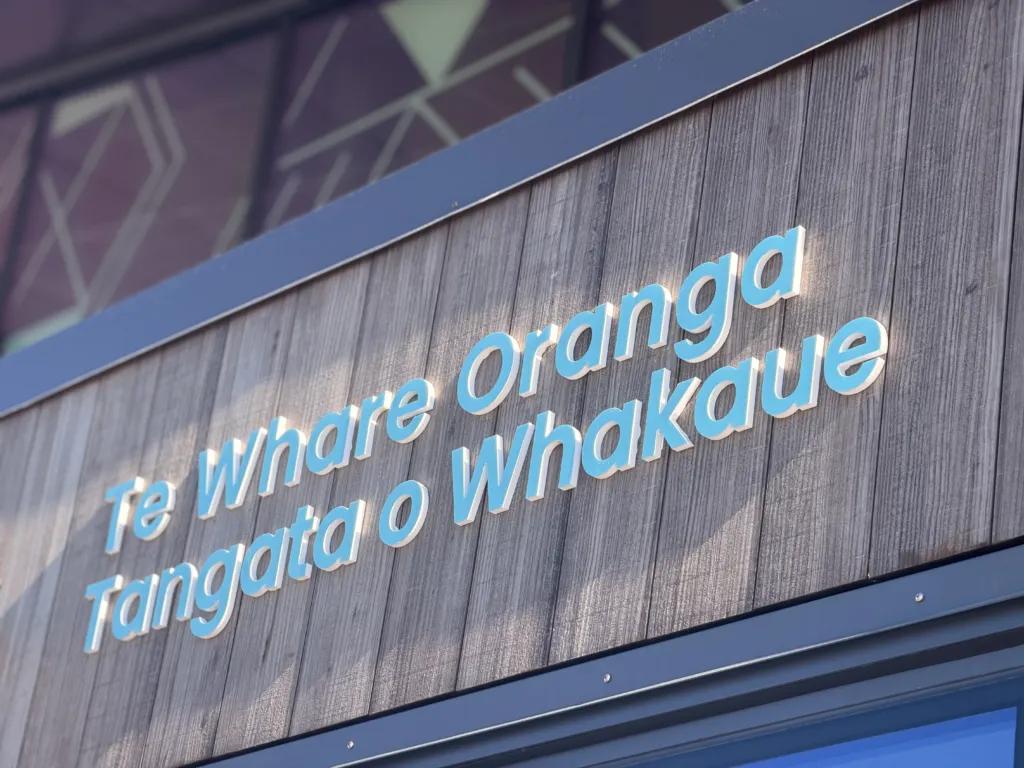
For Lauren James of Ngāti Whakaue, the opening of Te Whare Oranga Tangata o Whakaue at Rotorua Hospital is more than just a ribbon-cutting; it is a profound reclamation of dignity and healing.
As the new $50 million Mental Health Wellbeing and Recovery Unit officially opens its doors, James reflects on the stark transition from a 45-year-old facility that had long since ceased to be a place of “oranga.”
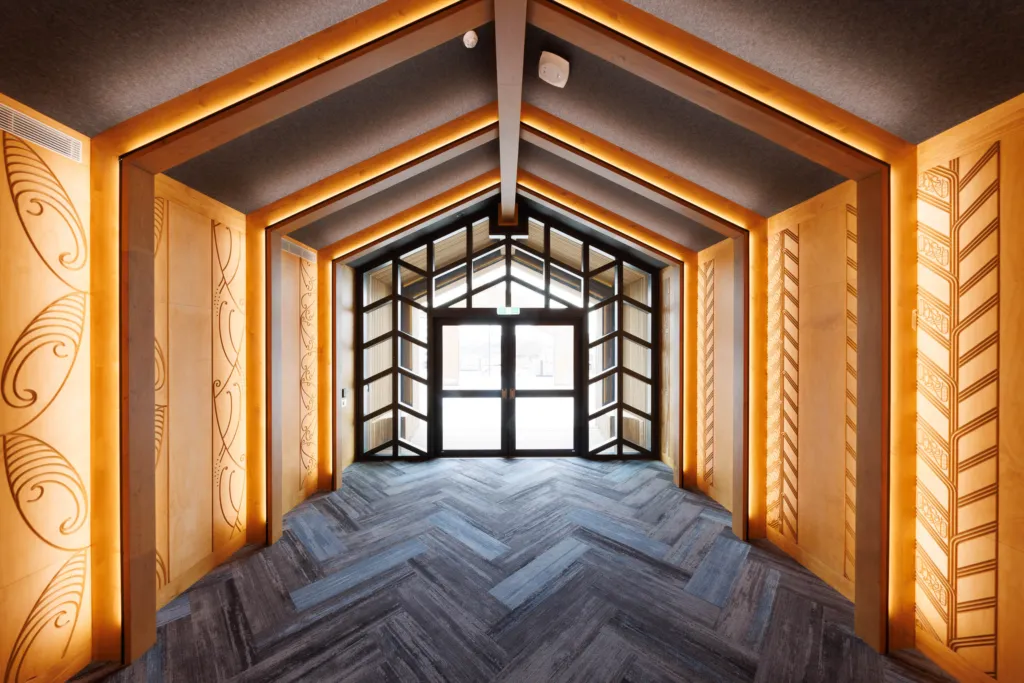
“If you go up to the current ward you can tell it’s close to 50 years of age,” James said, describing the aging environment that the community has had to endure. “It’s actually worn, and it’s not a place of oranga, it’s not a place of wellness. Yet when you come here you can feel the wellness, like it actually draws you in. It says ‘I’m here to look after you, I’m here to mirimiri you, I’m here to care for you.'”
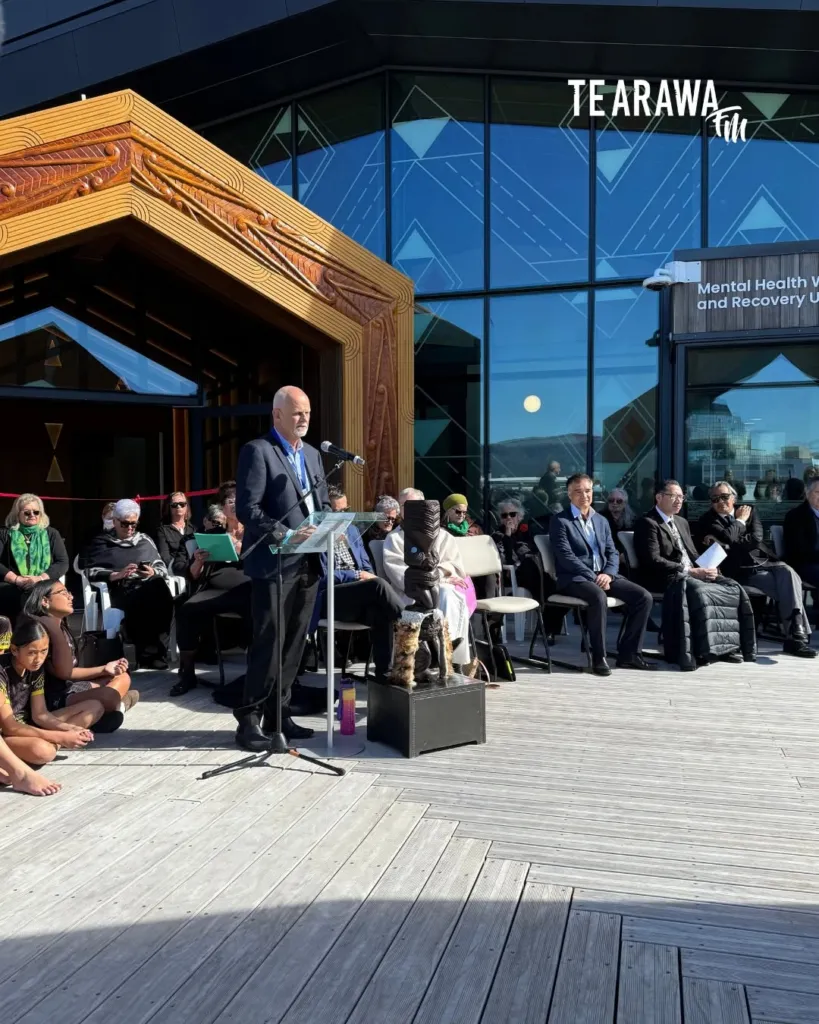
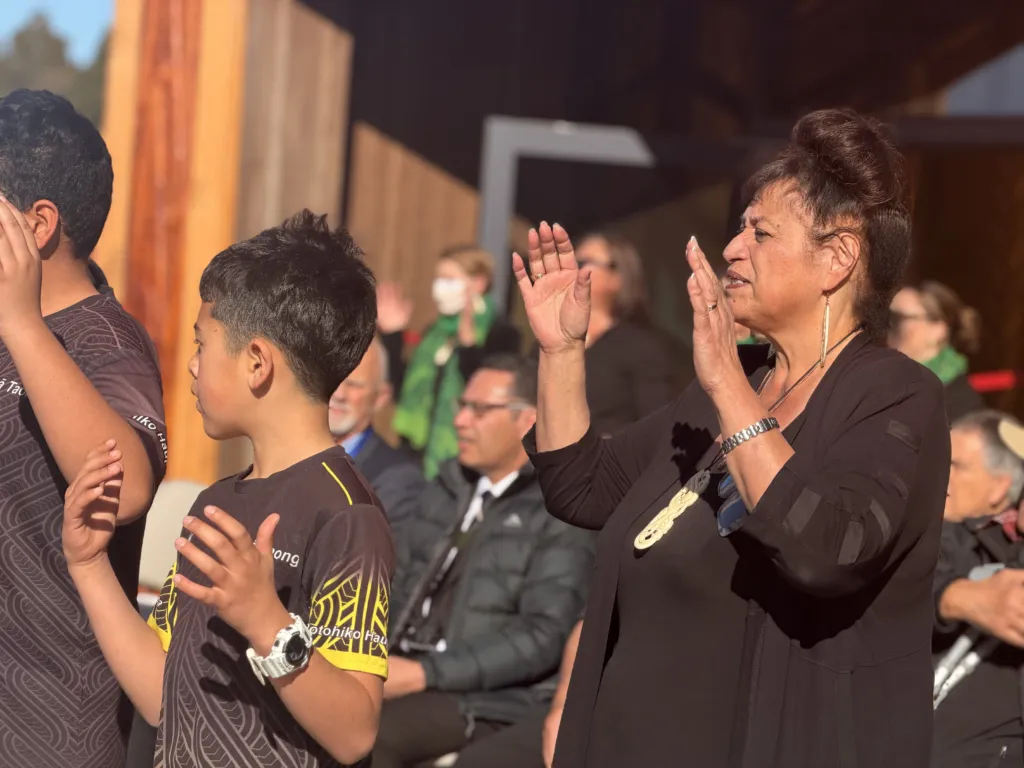
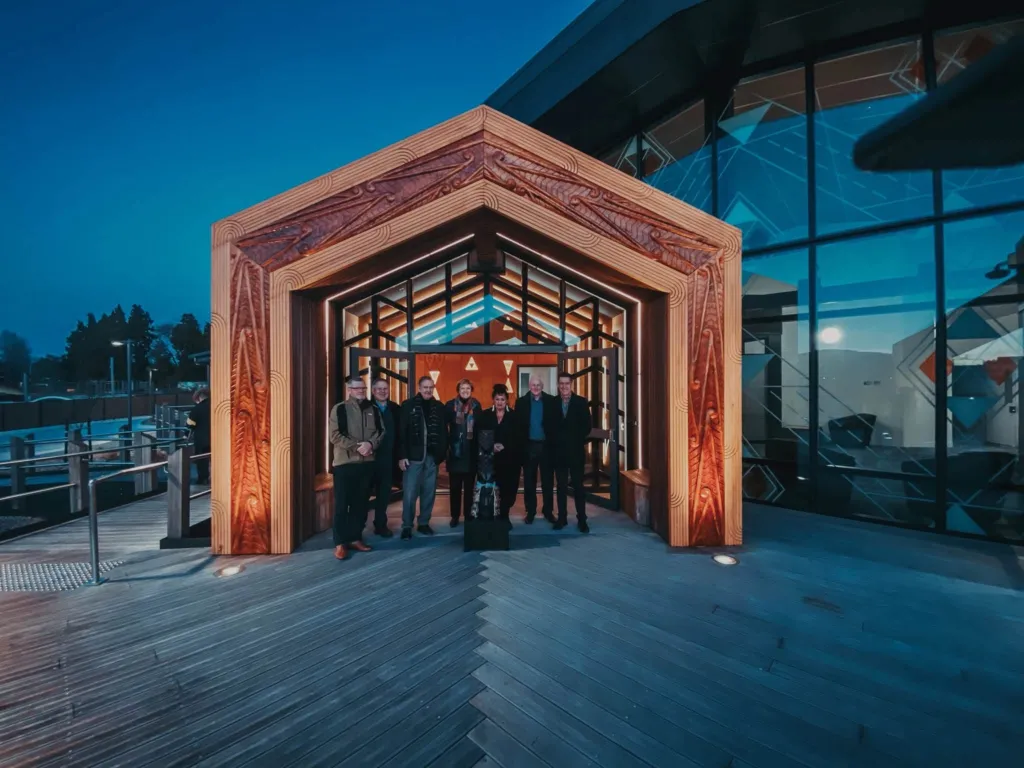
Health NZ Lakes operations group director Alan Wilson believes the new facility is a catalyst for change. “This is an opportunity for us to do things differently for us to provide care for the 70% of our inpatients who are Māori in a way that’s more culturally appropriate than the current facility,” Wilson said.
“We’ve [gone] from a very old, very tired unit that’s not really suitable for delivering modern care to something that’s new and modern, contemporary state of the art. It means that our staff will be able to care for the people better than they could before,” he said.
Lauren James’s perspective highlights a crucial shift in how care is delivered to a region where Māori make up 70% of inpatients. To James, the 16-bed purpose-built unit isn’t just about modern clinical standards – it is about cultural alignment and the restoration of mana. She sees the $50 million investment as a vehicle for a system that finally recognises the importance of the environment in the healing journey.
“This is a place of healing and nurturing for staff as well,” James said, emphasising that the beauty of the space transforms the wairua of those providing the care. “If you provide a beautiful place of wellness, the way you deliver care will be very different. Tanga is about everyone in the system having mana,” she said.
Ko te whakarauora i te Hauora Hinengaro
Ko Mark Waitai te Pou Tikanga, o Te Whatu Ora i Waikato ka tae mai ia ki te whakamānawa i te whakatūwheratanga o Te Whare Oranga Tangata o Whakaue, e whakapuaki ana i tana mihi mō te hiranga o tēnei whare.

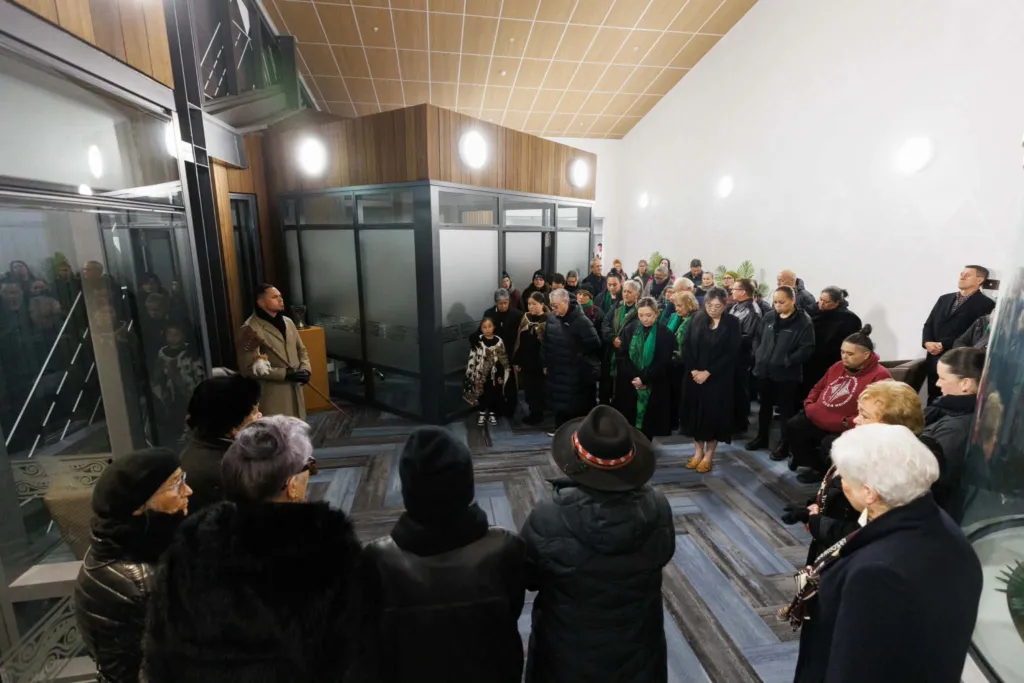
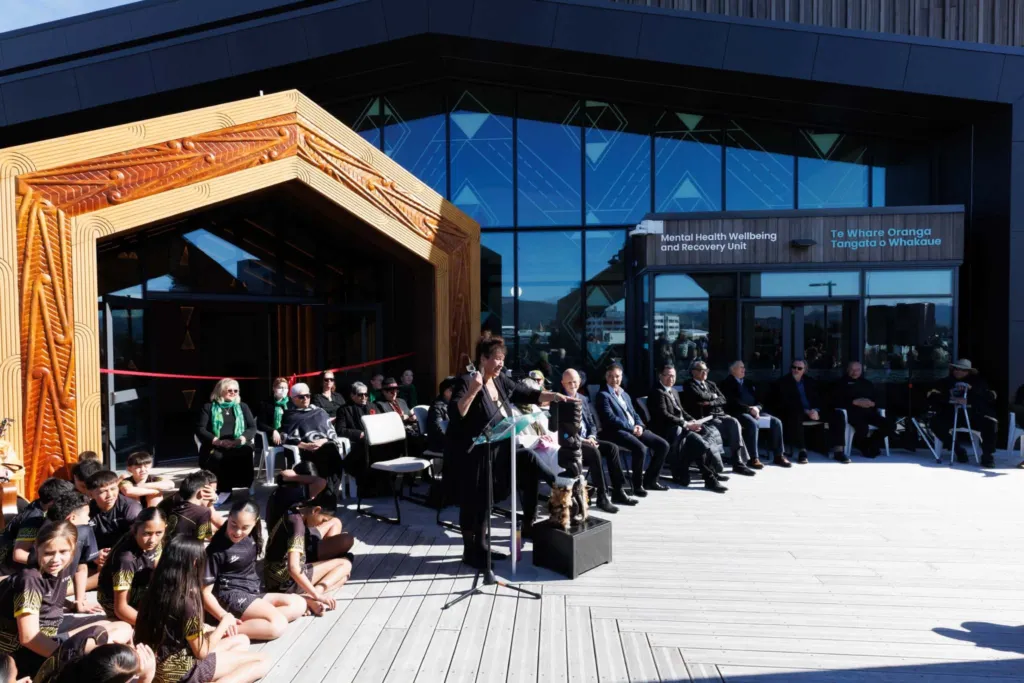

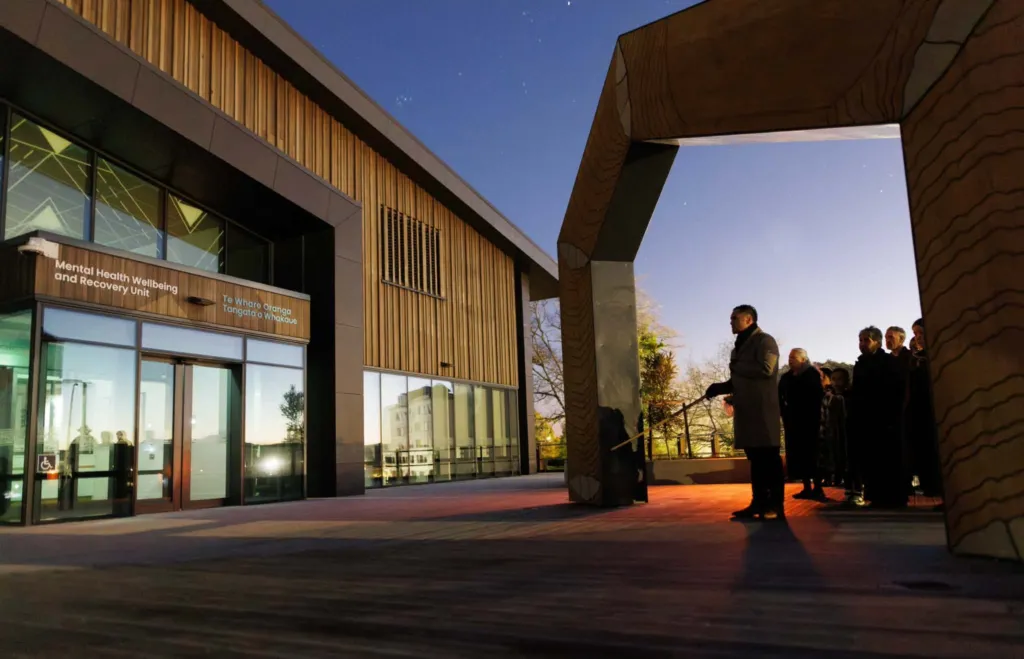
Photo Credit: Stephen Baker
“Inaa, ka haere koe ki ngaa hapori Maaori, otiraa te whaanuitanga o ngaa rohe – ko te whakahoki ka mea mai kei te tino peehi nei taa taatou iwi ki teenei mea te mate hinengaro. Ko te tuunga o teenei whare he rauemi anoo he puukenga anoo e whai waahi ai teera hunga haere,” hei tā Mark.
“Mea nui te mate hinengaro! E moohio ana taatou i teena, engari kei hea te waahi tika maa raatou. Anei – e mea ana te kaumaatua ma raatou i te ata nei, haere mai ki roto i teenei whare. Kia whakatikatika kia whakarite,” hei tāna anō.
A Modern Infrastructure for Modern Care
Beyond the immediate impact on the Rotorua community, Te Whare Oranga Tangata o Whakaue represents a critical piece of a much larger national puzzle. The $50 million facility is one of 18 projects funded under the Government’s Mental Health Infrastructure Programme, reflecting a nationwide push to modernise care environments that had, for too long, fallen behind the times.
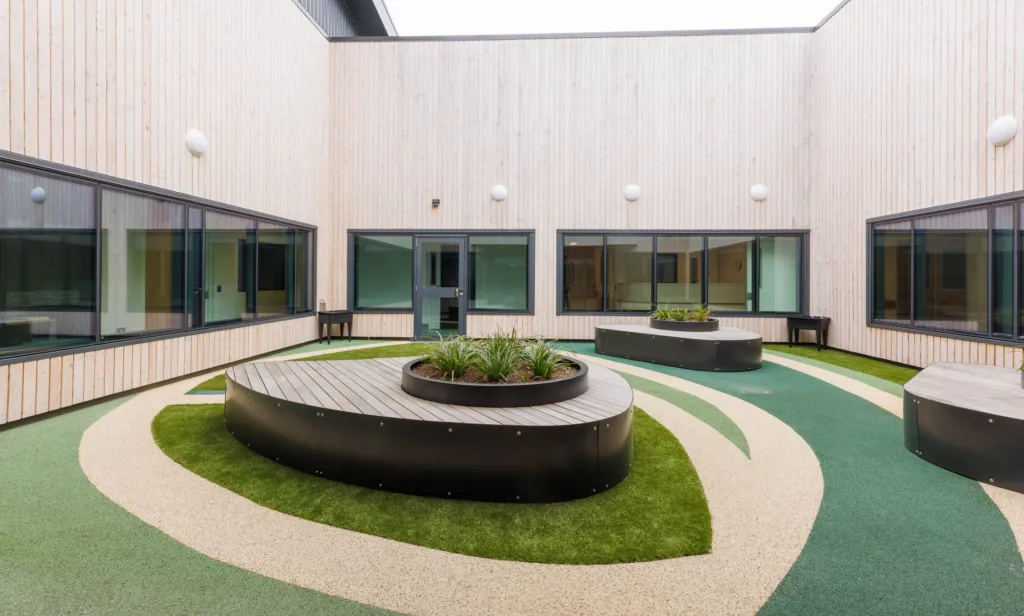
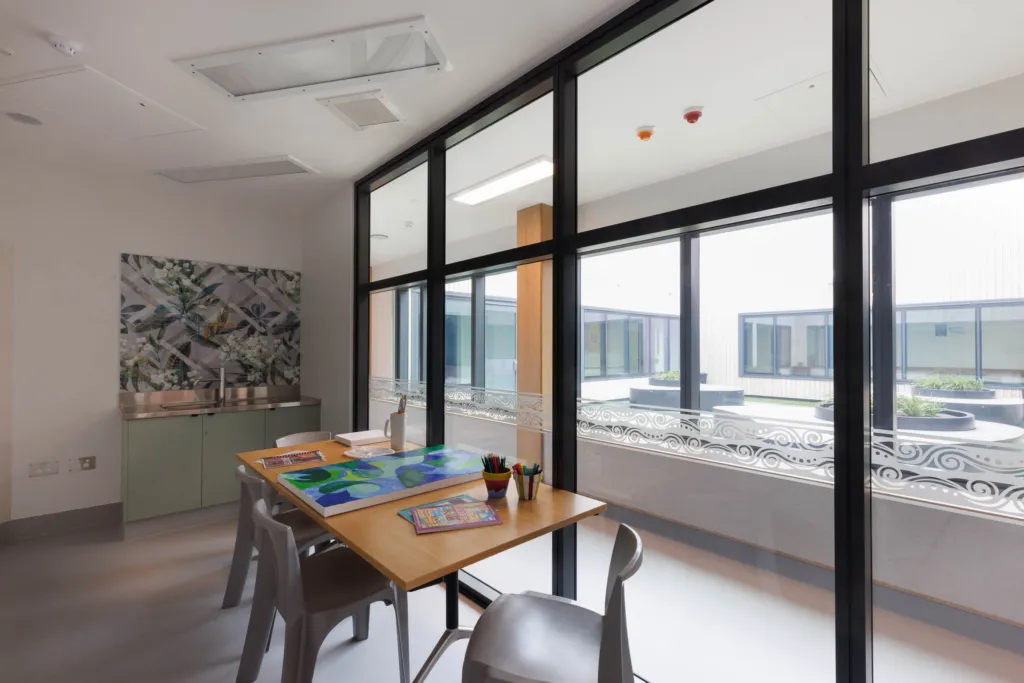
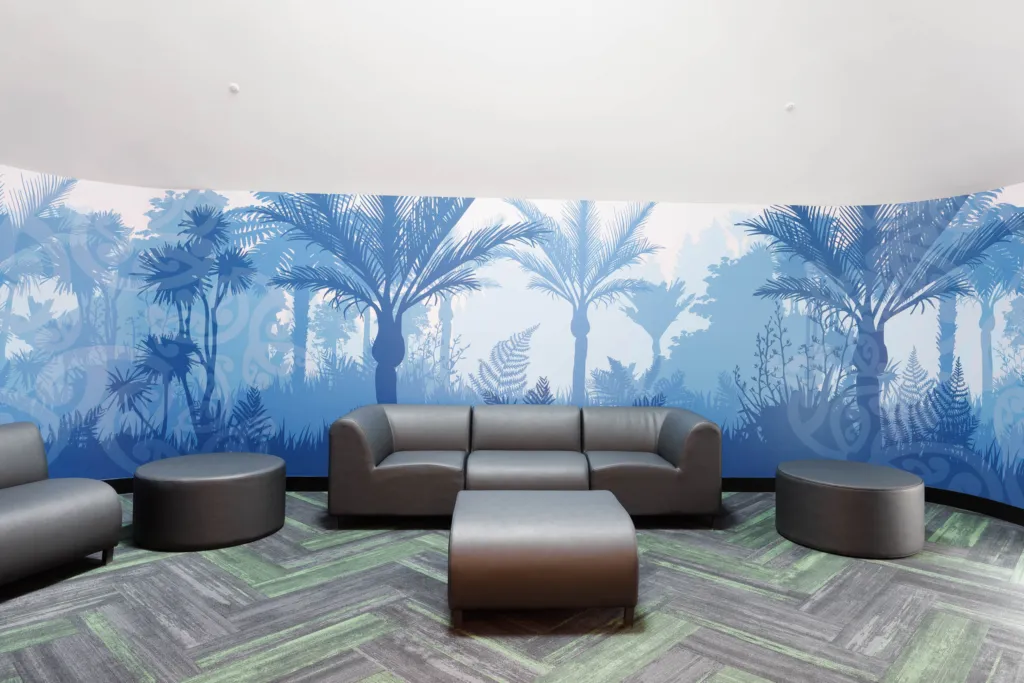
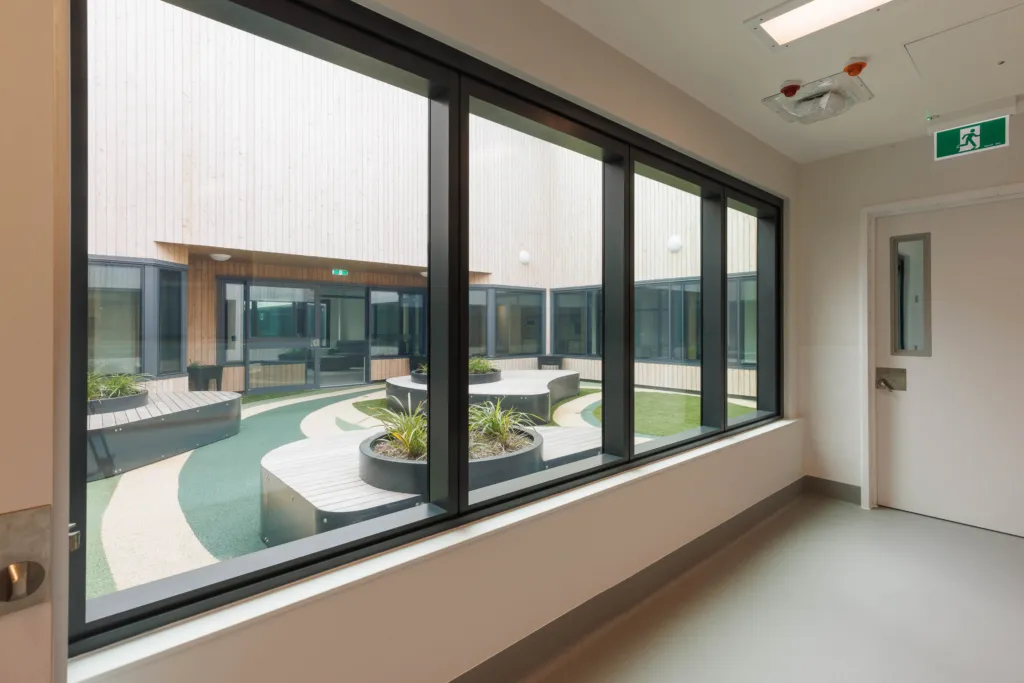
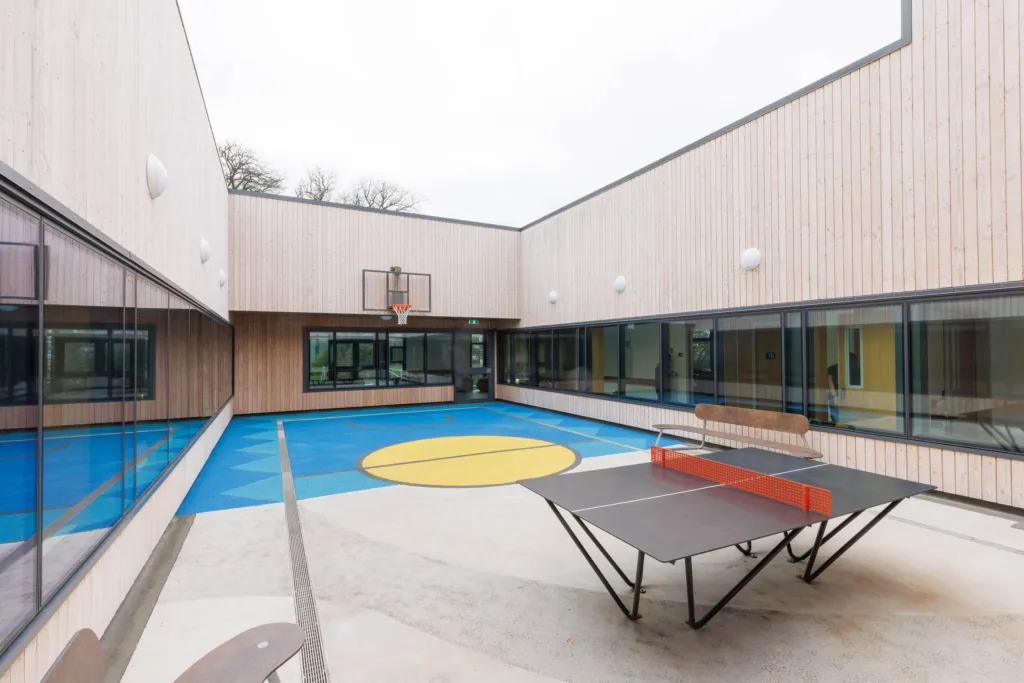
The design itself marks a definitive shift in how acute care is delivered. The new unit replaces the aging 45-year-old facility with 16 private, individual bedrooms, dedicated therapy and activity spaces, and open, internal courtyards that invite the light in. Crucially, the facility includes specialised, lower-stimulus environments, ensuring that those in the most vulnerable states have access to a quiet, calm sanctuary for their recovery.
“This is part of our plan that’s delivering faster access to support, more frontline workers and a better crisis response for New Zealanders,” Mental Health Minister, Matt Doocey said.
“We are also continuing to invest in support across the continuum, including better primary mental health support, specialist services and promotion. By investing earlier, we can help prevent more people from reaching the point where they need inpatient care,” he said.
“This is about building a better future for people in Rotorua and making sure when they reach out for help, support is there.”
As the facility prepares to welcome its first patients on August 25, the focus remains on the ultimate goal: building a future for the Lakes district where help is not just available, but is delivered with the dignity and cultural recognition that every person deserves.